
Apple’s High-End Rumors Continue to Build — iPhone Ultra May Redefine the Price Ceiling
August 26, 2026 · Industry Insights
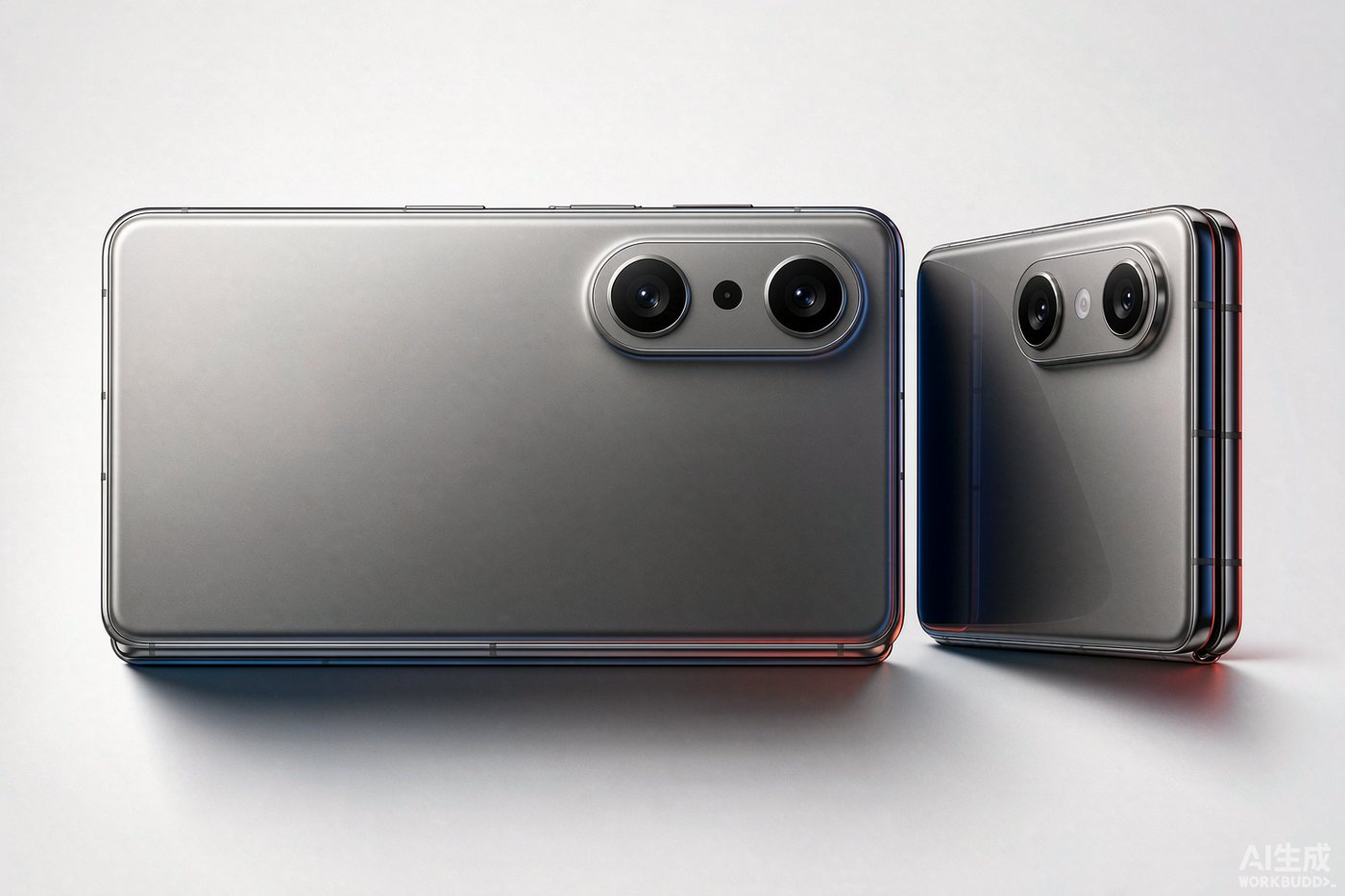
Concept render (unofficial, based on supply chain rumors)
As Apple’s fall product launch event draws near, market discussion around the next-generation iPhone lineup continues to heat up. Among them, the rumored iPhone Ultra is seen as an important product for Apple to attack the higher-end market. But it must be clear: the naming, specifications, pricing, and launch timing of this model are all industry supply chain rumors, not yet confirmed by Apple, and should not be taken as a direct basis for consumption or procurement decisions.
iPhone Ultra Rumors: Extreme High-End with Trade-offs
According to industry leaks, the iPhone Ultra is positioned above the current Pro Max series and is Apple’s first foldable iPhone product, using a book-style inward folding design with a titanium alloy premium body, pursuing a thinner and lighter feel, while carrying an upgraded camera module and a flagship chip platform.
But the design itself involves objective trade-offs: pursuing a thin and light body comes with challenges to battery capacity, cooling space, and camera bump control. Thinness vs. drop resistance and battery life are a set of conflicting metrics that are hard to maximize simultaneously. Even if peak hardware performance is strong, sustained heat dissipation and performance under long gaming, outdoor high-brightness use, and continuous navigation are still key points that need real-world verification — benchmark scores do not equal real usage experience.
Combining everyday usage scenarios, the value of this rumored high-end model can be viewed from three dimensions:
- Daily battery life scenario: For ordinary users who frequently use messaging, maps, and short-video apps, battery life is the core experience. If battery space is compressed to achieve a thinner body, the feel improves but battery life may be compromised. For most ordinary consumers, the Pro Max models, with their larger bodies, offer more stable battery life.
- Photography scenario: The existing iPhone Pro series already offers a complete main-ultrawide-telephoto lens combination, and the iPhone 16 Pro Max has already achieved 5x telephoto capability. If the Ultra further strengthens telephoto, low-light, and video capabilities, it will benefit professional scenarios such as capturing pets and children, and concert shooting. But if it is only used for scanning codes, ID photos, and daily casual shots, the perceived improvement of high-end imaging is relatively limited.
- Gaming and multitasking scenario: A flagship chip can provide excellent peak performance, but prolonged high-load gaming, charging while navigating, and tethering hotspots test the device’s thermal design. A high-end price does not necessarily mean no compromises in experience — it is likely a compromise among performance, weight, and battery life.
Pricing rumors: Supply chain reports speculate that this model’s pricing may break through the existing iPhone price range, becoming the most expensive iPhone in Apple’s history. Meanwhile, the foldable hinge and flexible screen processes are complex, initial production capacity is limited, and supply shortages are possible. The market reminds consumers not to pay deposits in advance based on online parameters; all configurations, repair costs, weight, and battery parameters must be based on Apple’s official launch announcement.
More Industry Rumors About the Next-Generation iPhone Lineup
Besides the iPhone Ultra, more information about Apple’s 2026 fall lineup has surfaced:
- iPhone 18 Pro series: rumored to carry TSMC’s 2nm A20 Pro chip, with performance and efficiency greatly improved over the previous generation, and the Dynamic Island is expected to shrink. Some foreign media reports suggest the Pro series overseas price may rise, and the standard iPhone 18 may be delayed to spring 2027, with Apple possibly breaking its tradition of releasing all new iPhones at once in the fall, adopting a phased release rhythm.
- High-end market landscape: survey data shows that in the $600+ high-end phone market, Apple still maintains a high market share, but faces competitive pressure from domestic flagship brands. The high-end phone market continues to expand, with products gradually differentiating into balanced all-rounders, thin-and-light premium, and foldable large-screen options, covering diverse user groups.
- AI capability iteration: Along with the new hardware, Apple’s localized Apple Intelligence features are expected to land, with larger-RAM models receiving a more complete AI feature experience. Software ecosystem upgrades are also a key highlight of the new devices.
Industry View: Selection Reference for Different Users
For ordinary consumers, the current iPhone Pro and Pro Max series already fully meet the needs of performance, imaging, and long-term system maintenance, making them mature and balanced flagship choices. If the iPhone Ultra eventually lands, it is more oriented toward a niche user group pursuing new form factors, thin and light feel, premium materials, and status attributes.
Pitfall avoidance tips: The parameters, pricing, and first-release timing circulating online mostly come from supply chain leaks and carry risk of change. Please base purchase decisions on Apple’s official launch announcement. Do not trust online pre-sale or advance-booking information, and note that the repair cost after the new device launches is also a factor that cannot be ignored when buying a high-end model.
Disclaimer: This article is compiled from public industry information. The product configurations and prices mentioned are rumors and do not constitute purchase advice. Please refer to Apple’s official release for everything.